For over a decade, design chased perfection. Sharp edges. Flat colour. Minimal grout. Seamless surfaces that looked untouched by time or human life.
That era is ending.
In 2026, the most compelling interiors are no longer the most flawless. They are the most felt. Designers are turning toward Engineered Imperfection: tiles that are new, high-performance, and precise, yet visually aged, softened, and emotionally warm.
This isn’t about rustic nostalgia. It’s about surfaces that feel lived-in from day one. Character that’s crafted, not accidental.
At Timex Ceramic, we’ve been building toward this shift. And with the Venezia Series, we’re not just following the trend; we’re defining it.
The Shift: From Visual Perfection to Emotional Surfaces
Minimalism taught us restraint. But restraint, when pushed too far, becomes sterile.
Design today is reintroducing emotion through surface: tonal variation, softened edges, subtle distressing, and layered texture. These details don’t fight modern architecture; they humanise it.
Much like how scale and layout transform how a room feels, surface character now plays an equally architectural role. Geometry doesn’t exist in isolation. Its impact deepens when shape, scale, and repetition work together. When material and movement align, a space feels architectural rather than decorative, a principle explored further in our journal on How Layout and Form Define Spatial Presence.
Engineered imperfection is the next layer in that evolution. It adds time, memory, and warmth to otherwise contemporary spaces.
Venezia: The New Benchmark for Crafted Age
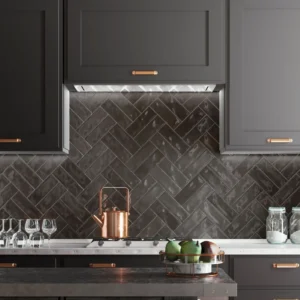
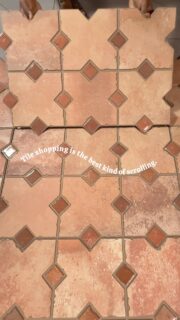
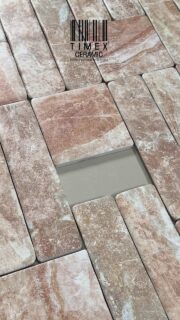
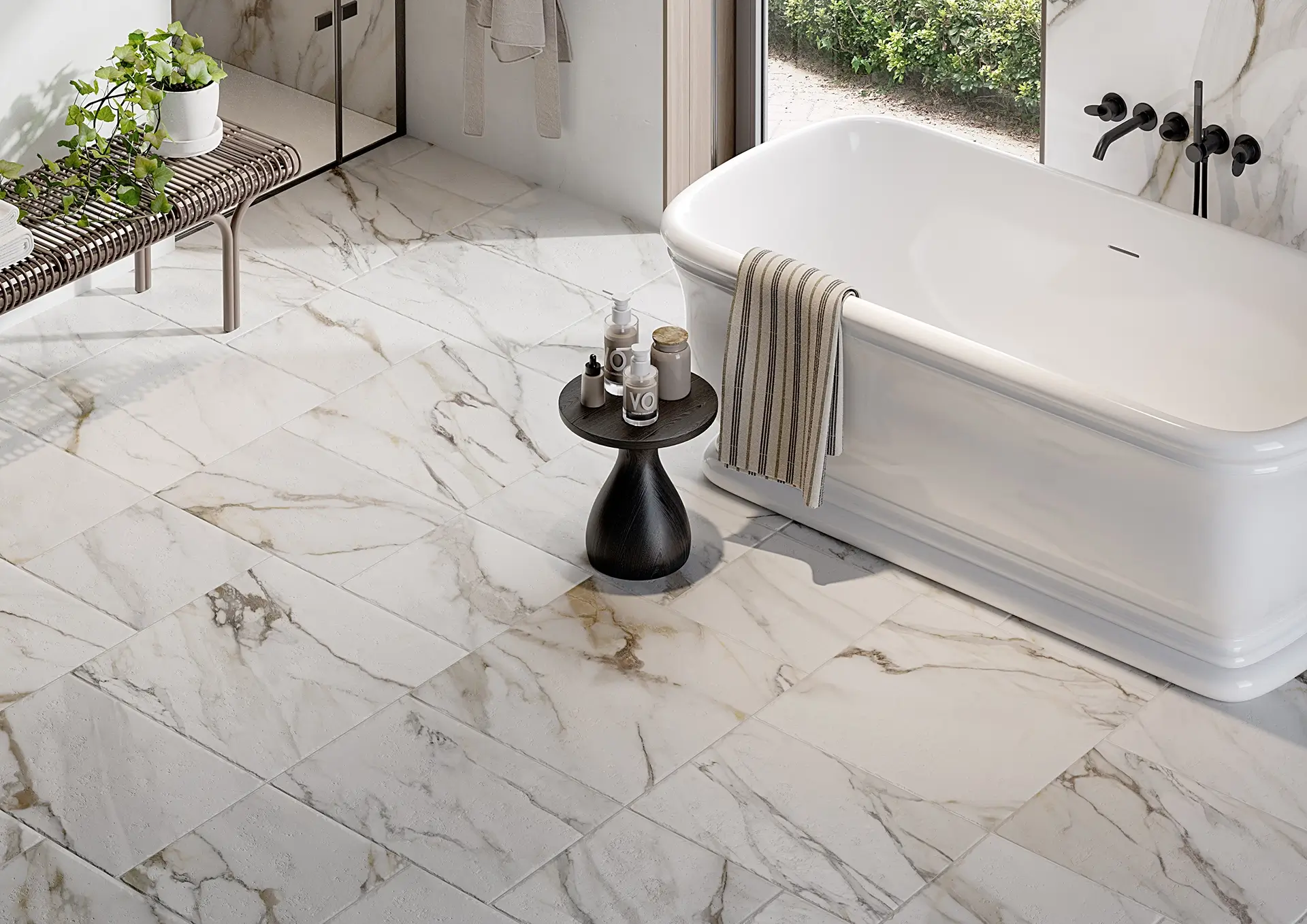
Venezia is the clearest expression of this shift. Designed to evoke a time-worn yet architecturally precise aesthetic, Venezia captures the essence of aged European stone, without the fragility of natural materials.
Each tile carries subtle tonal drift, softened edges, and micro-variation that mimics years of natural wear. The result is a surface that feels authentic, not manufactured.
In open spaces, Venezia brings visual depth without visual noise. In intimate settings, it adds warmth without heaviness. It’s engineered imperfection at its most refined.
It’s designed to feel right, from day one and for decades to come.
Venezia doesn’t decorate a room. It gives it a past.→ Explore Venezia Series
Zelij: The Old-School Authority
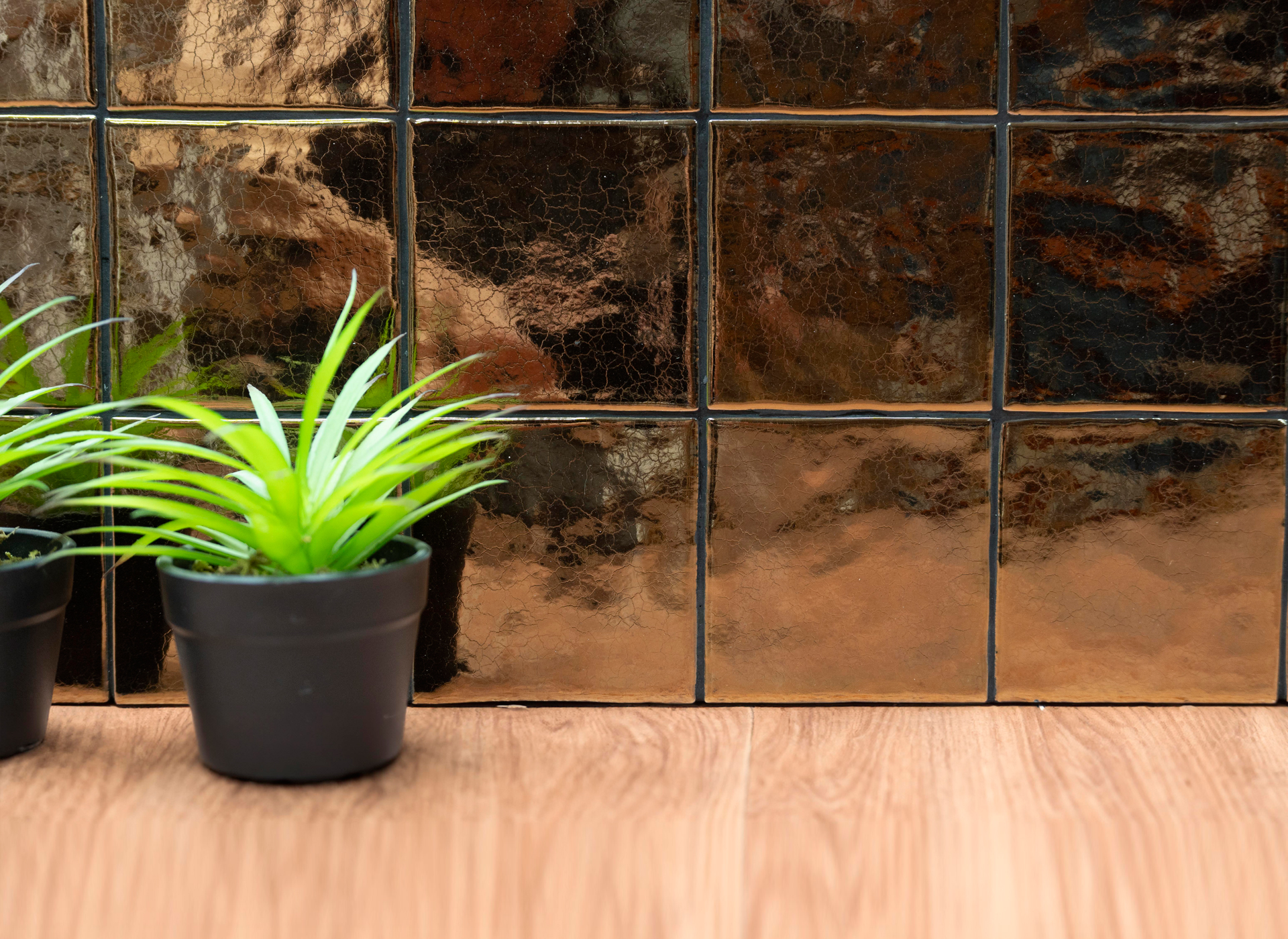
If Venezia is the future of engineered imperfection, Zelij is where it all began.
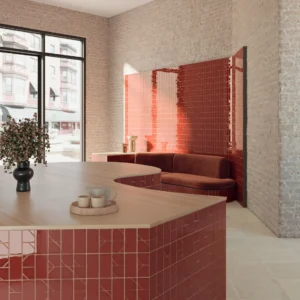
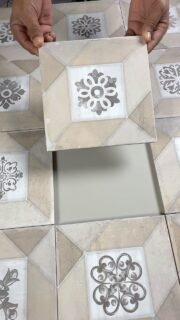
Inspired by traditional handcrafted tiles, Zelij celebrates irregular edges, rich glazes, and natural variation. No two surfaces feel identical, and that’s precisely the point.
Where Venezia interprets age through stone, Zelij expresses it through glaze and craft. It’s bold, expressive, and unapologetically tactile. In feature walls, bars, and statement kitchens, Zelij brings history into contemporary architecture, a reminder that imperfection has always been the foundation of character.
Where Venezia feels inherited, Zelij feels artisanal. Both speak the same language, just in different dialects.
Portofino: Mediterranean Warmth
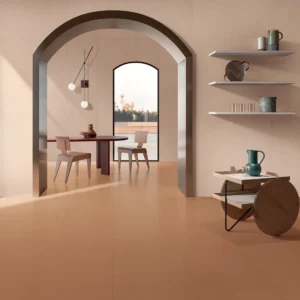
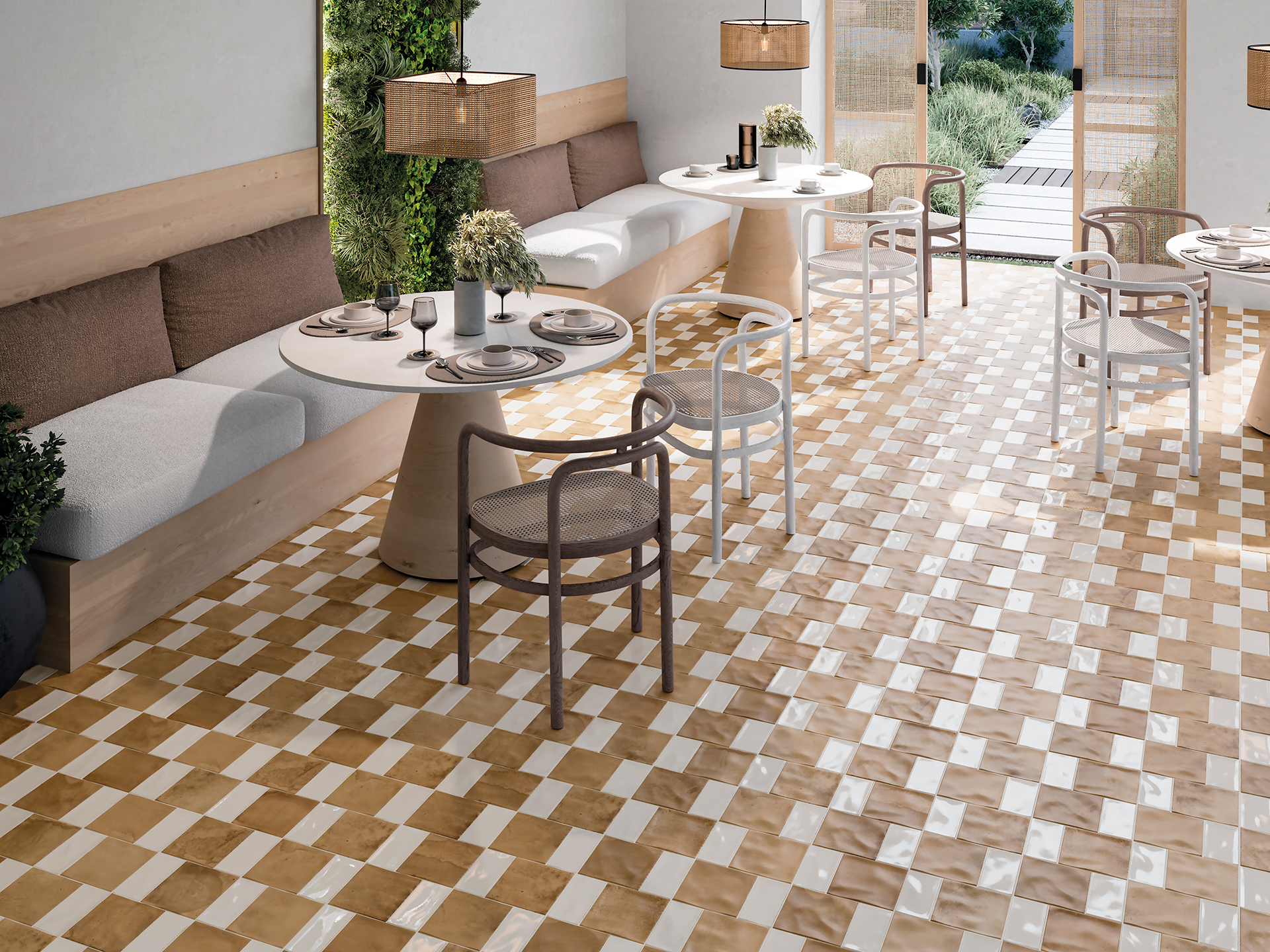
Portofino translates Mediterranean warmth into a controlled, modern surface language.
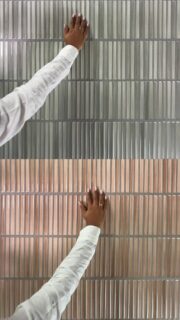
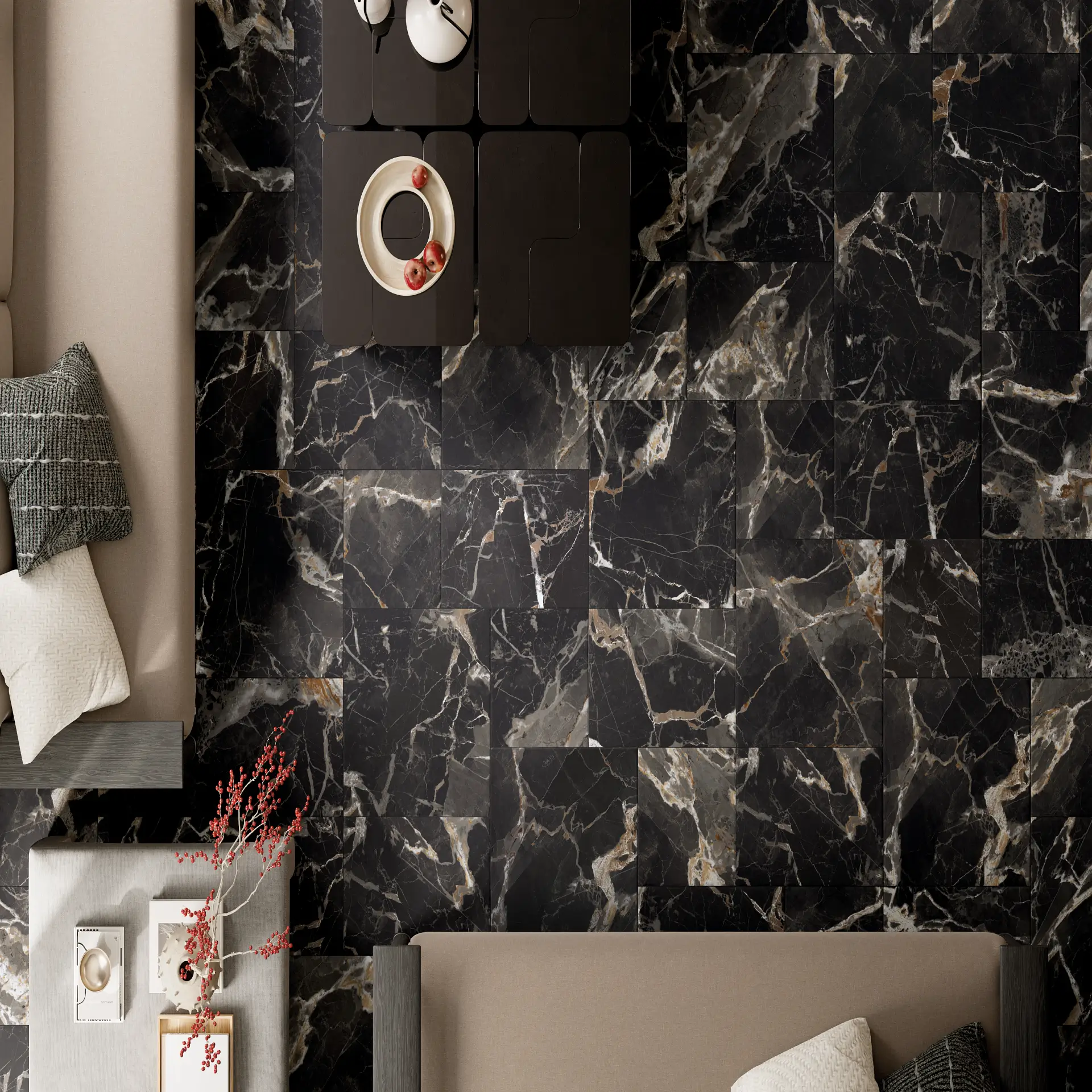
With softened edges, layered colour, and gentle surface movement, Portofino feels like sun-washed stone that’s been part of a space for years. It introduces warmth without rustic heaviness, and texture without visual chaos.
It’s especially effective in kitchens, dining spaces, and hospitality interiors, where atmosphere matters as much as performance. In open-plan interiors, Portofino softens sharp architecture. It brings lifestyle into the layout. Not rustic. Not polished. Just beautifully lived-in.
It’s not about perfection. It’s about presence.
Season: Subtle Imperfection
Season plays a quieter but equally important role in this movement.
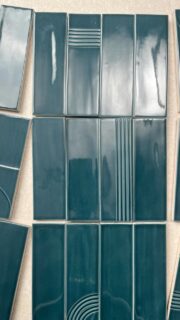
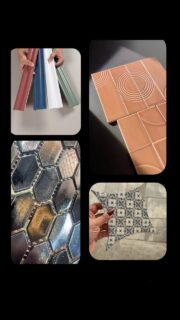
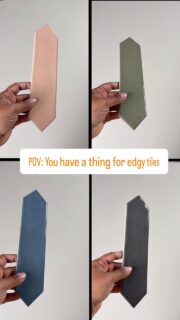
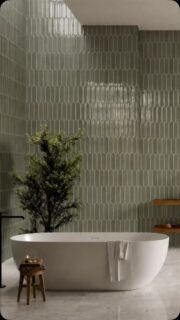
With two core colourways and three coordinated design formats, Season introduces controlled variation: tonal softness, surface texture, and pattern that feels handcrafted, without overpowering a space.
Where Venezia and Zelij lead with character, Season supports with rhythm. It’s ideal for bathrooms, kitchens, and residential spaces where you want warmth, movement, and tactility, but with restraint.
Season proves that engineered imperfection doesn’t have to be bold to be effective. Sometimes, it’s the quiet variation that makes a space feel lived-in.
Season doesn’t shout. It settles in.

Why This Trend Matters Now
This shift isn’t accidental. It’s a response to how we live.
After years of high-gloss perfection and ultra-minimal interiors, designers and homeowners are craving spaces that feel more grounded. More personal. More forgiving.
Much like how colour can define emotional tone, surface character now defines emotional depth. The move away from flat finishes toward textured, layered surfaces reflects a deeper desire for spaces that feel authentic, a theme we explore further in our journal on How Colour, Texture, and Mood Shape Interiors.
Engineered imperfection allows designers to introduce warmth without sacrificing precision. It delivers character with control. Emotion with engineering.
Timex Ceramic: Leading the Shift
At Timex Ceramic, this isn’t a trend we discovered last season. It’s a direction we’ve been curating toward for years.
- Venezia represents where this movement is going.
- Zelij represents where it came from.
- Portofino and Season show how it adapts across styles, moods, and spaces.
Together, they form a design language, not a look. A language that says:
A space doesn’t need to be perfect to be beautiful. It needs to feel lived in.
Feel the Difference
Engineered imperfection can’t be fully understood on a screen. You have to see how the light moves. You have to feel the surface. You have to stand on it.
Visit the Timex Ceramic Experience Centre and feel the difference for yourself. Walk the floors. Touch the textures. See how engineered imperfection transforms space into something warmer, richer, and more human.
Because the future of luxury isn’t perfect.
It’s perfectly imperfect.